Neon Flexível LED com Curvatura Lateral — IP65 a IP68 | DENO
O Neon flexível de LED com curvatura lateral é uma solução de iluminação linear flexível e encapsulada, projetada para aplicações que exigem iluminação ao longo de curvas e contornos, nas quais a emissão de luz é perpendicular ao eixo de curvatura. A DENO LED oferece 12 modelos com entrada de 24V DC, variando de 5W/m a 10W/m, e IRC (CRI) de Ra>90. Esses produtos apresentam graus de proteção IP67 ou IP68, sendo adequados para iluminação de destaque arquitetônico externo, sinalização e instalações de iluminação decorativa que exigem proteção robusta contra condições ambientais e saída luminosa consistente.
Série de Curvatura Lateral models & key specifications (12)
24V SéRie De Curvatura Lateral Models (9)
DL-T1220F — 60 LEDs/m · 24V
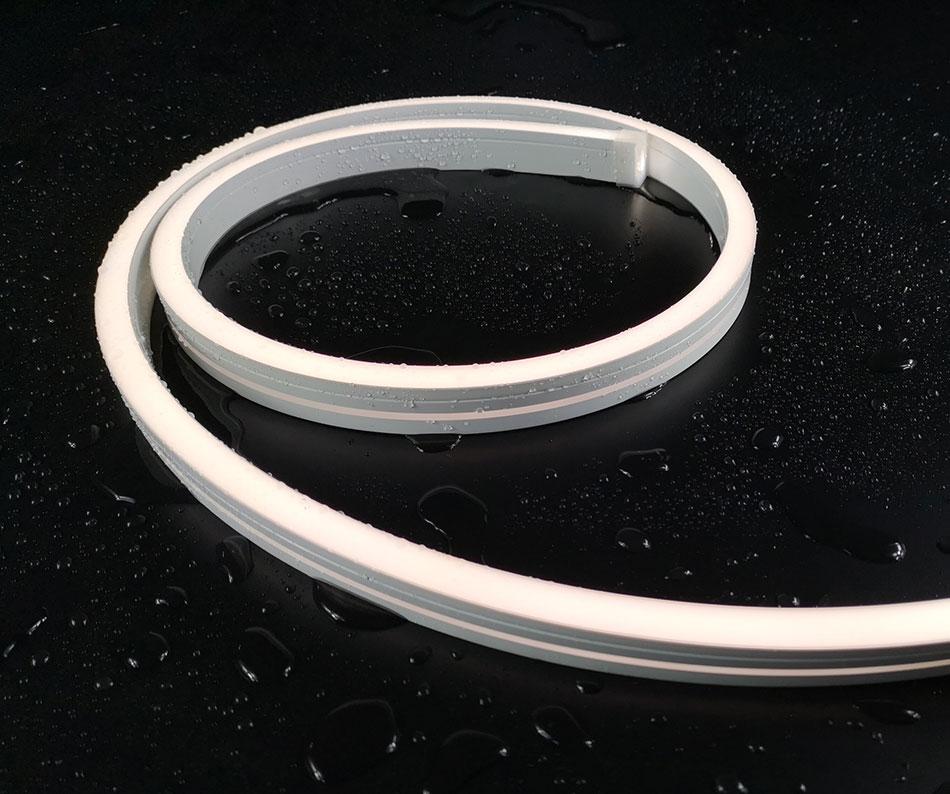
LED Density: ≥ 60 LEDs/m · Voltage: DC24V · Cutting Unit: 6LEDs/50mm · PCB Width: 10mm · IP Rating: IP67
0612S-EE — 2835 · 120 LEDs/m · 24V
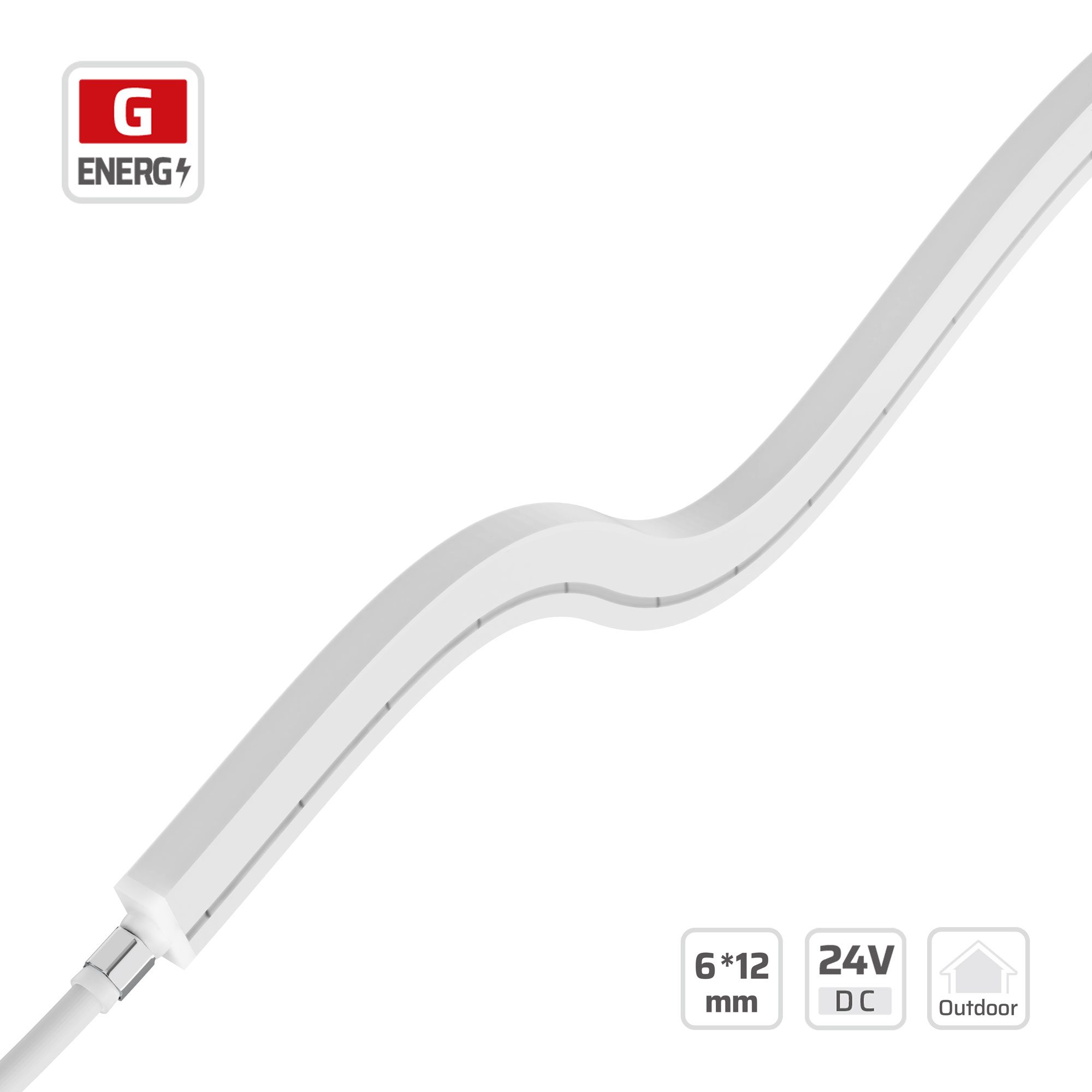
LED Type: 2835 · LED Density: 120 · Voltage: 24V · Power: 7.2~28.8W · Cutting Unit: 6LEDs/50mm · PCB Width: 8mm · Copper Foil: 3oz · Circuit Type: CV · IP Rating: IP67
DL-SV-1020 — 60 LEDs/m · 24V
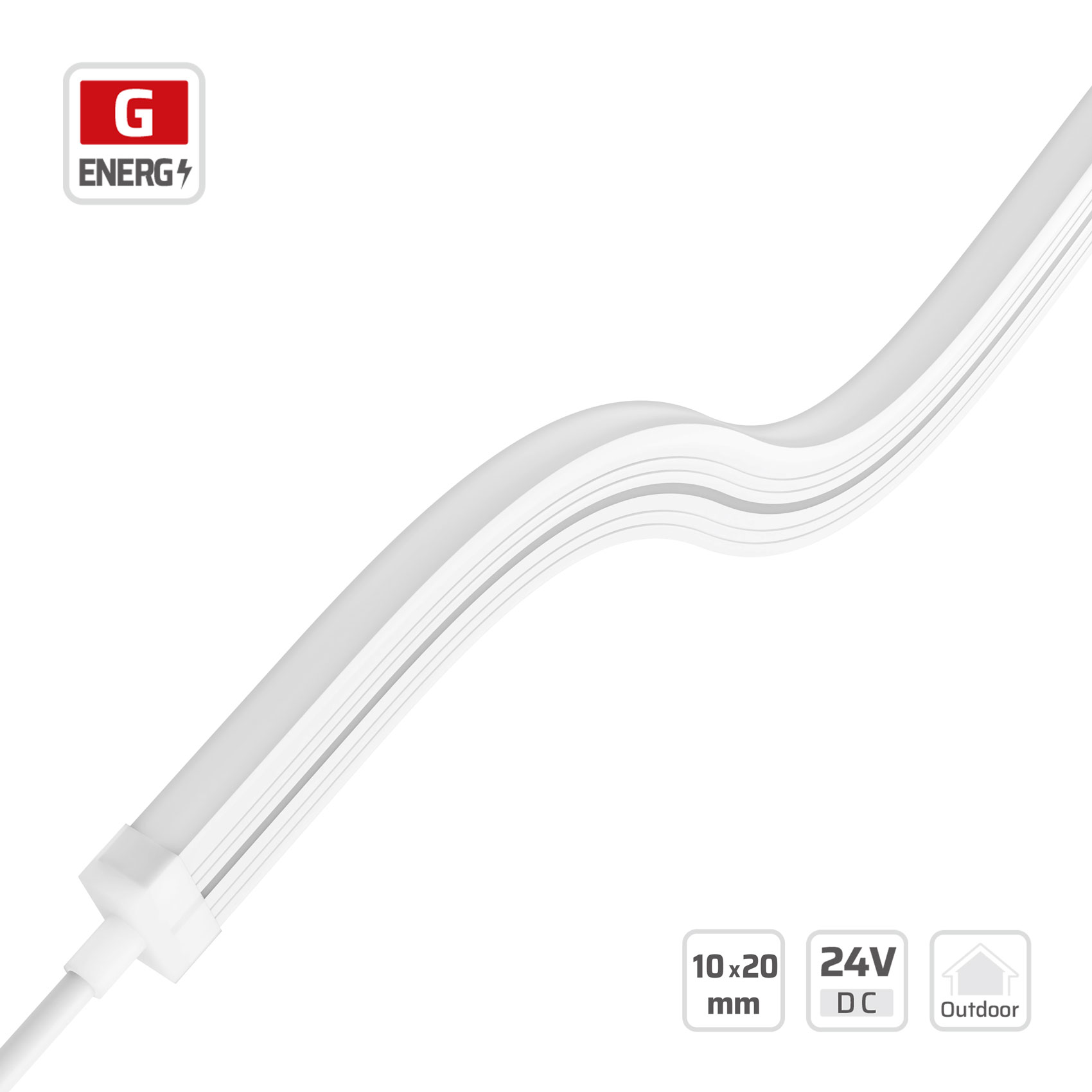
LED Density: ≥ 60 LEDs/m · Voltage: DC 24V · Cutting Unit: 6LEDs/50mm · PCB Width: 12mm · IP Rating: IP67
DL-SV-1018 — 60 LEDs/m · 24V
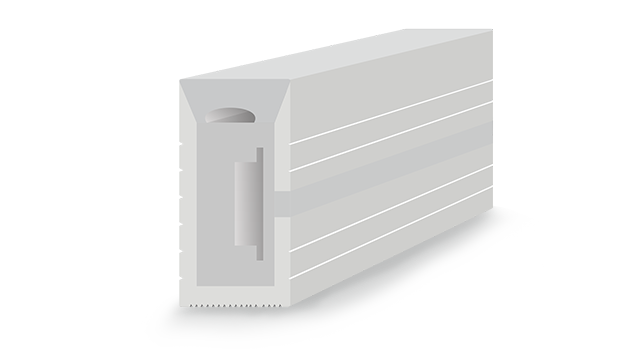
LED Density: ≥ 60 LEDs/m · Voltage: 24V DC · Cutting Unit: 6LEDs/50mm · PCB Width: 10mm · IP Rating: IP67
1018S-EE — 2835 · 120 LEDs/m · 24V
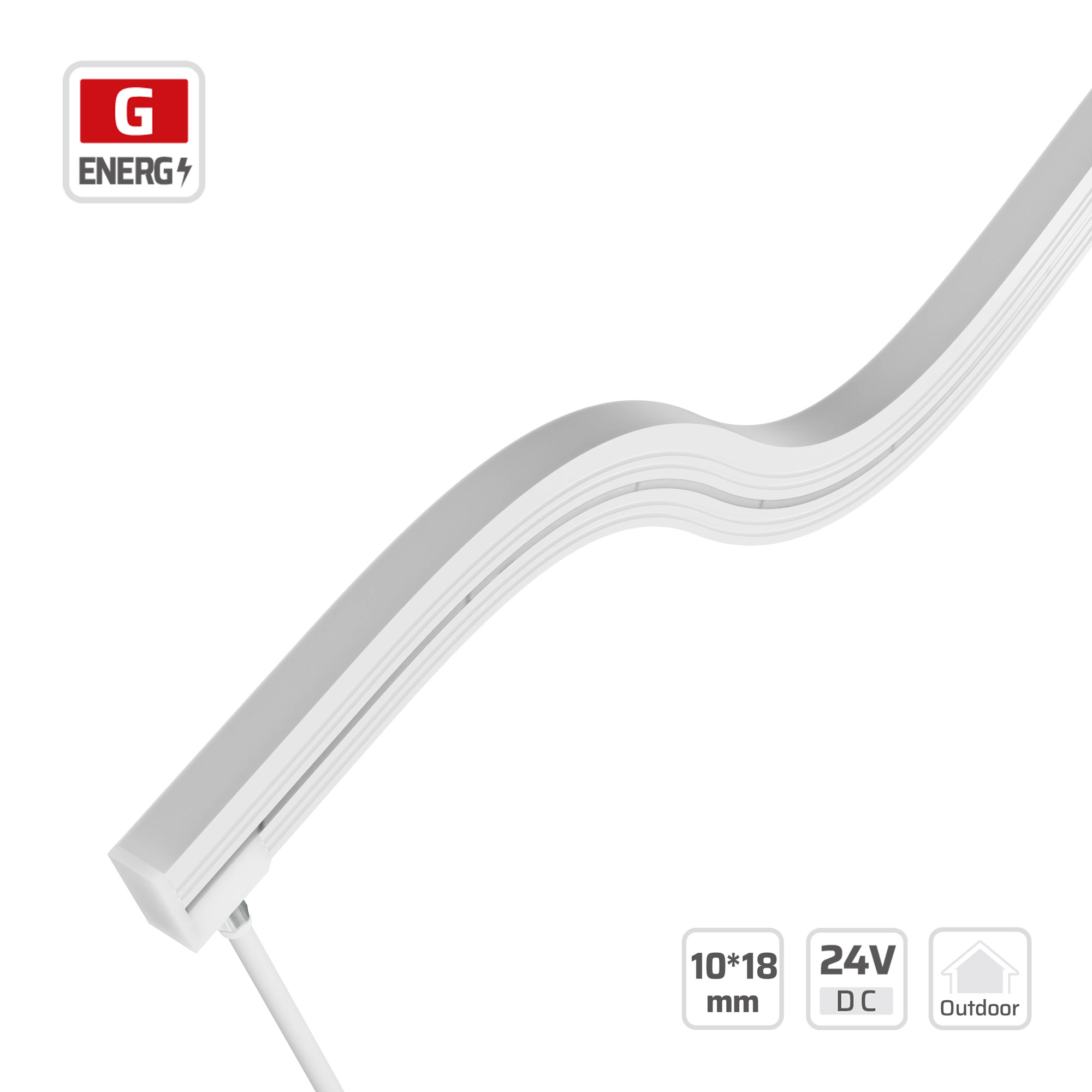
LED Type: 2835 · LED Density: 120 · Voltage: DC 24V · Power: 2.8~28.8W · Cutting Unit: 6LEDs/50mm · PCB Width: 10mm · Copper Foil: 3oz · Circuit Type: CV · IP Rating: IP67
DL-T1220F1 — 60 LEDs/m · 24V
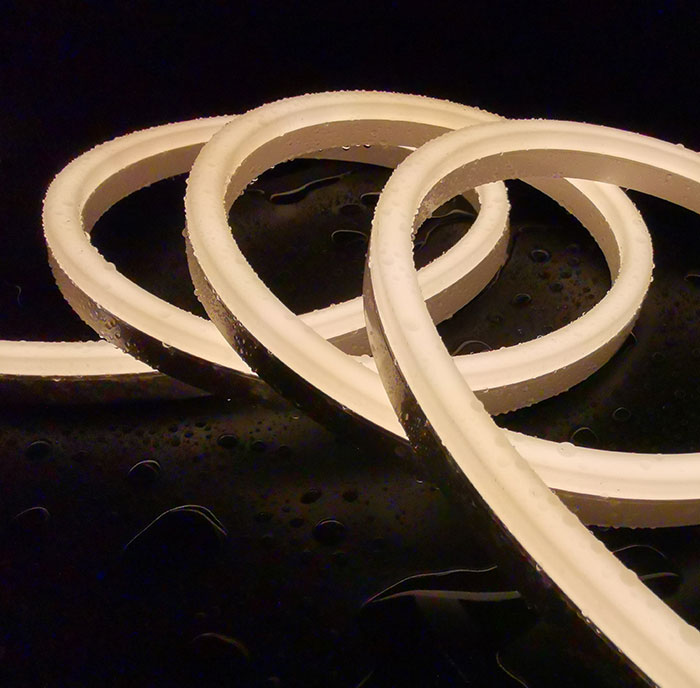
LED Density: ≥ 60 LEDs/m · Voltage: DC 24V · Cutting Unit: 6LEDs/50mm · PCB Width: 10mm · IP Rating: IP20 / IP65 / IP67
DL-T0613F — 120 LEDs/m · 24V
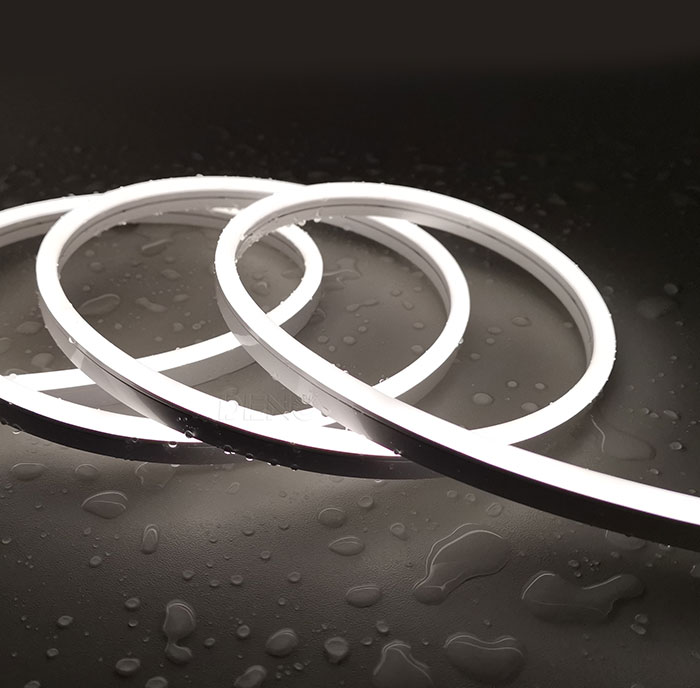
LED Density: ≥ 120 LEDs/m · Voltage: DC 24V · Cutting Unit: 6LEDs/50mm · PCB Width: 8mm · IP Rating: IP67
DL-T0410F — 120 LEDs/m · 24V
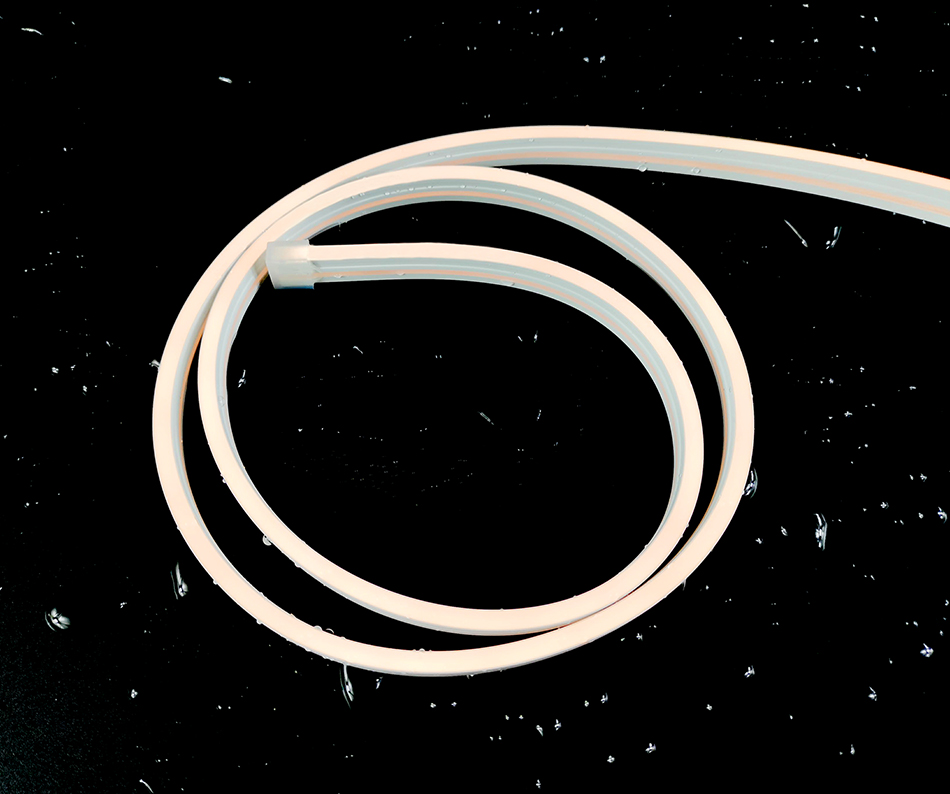
LED Density: ≥ 120 LEDs/m · Voltage: DC 24V · Cutting Unit: 6LEDs/50mm · PCB Width: 5 / 6mm · IP Rating: IP67
DL-T0612F — 120 LEDs/m · 24V
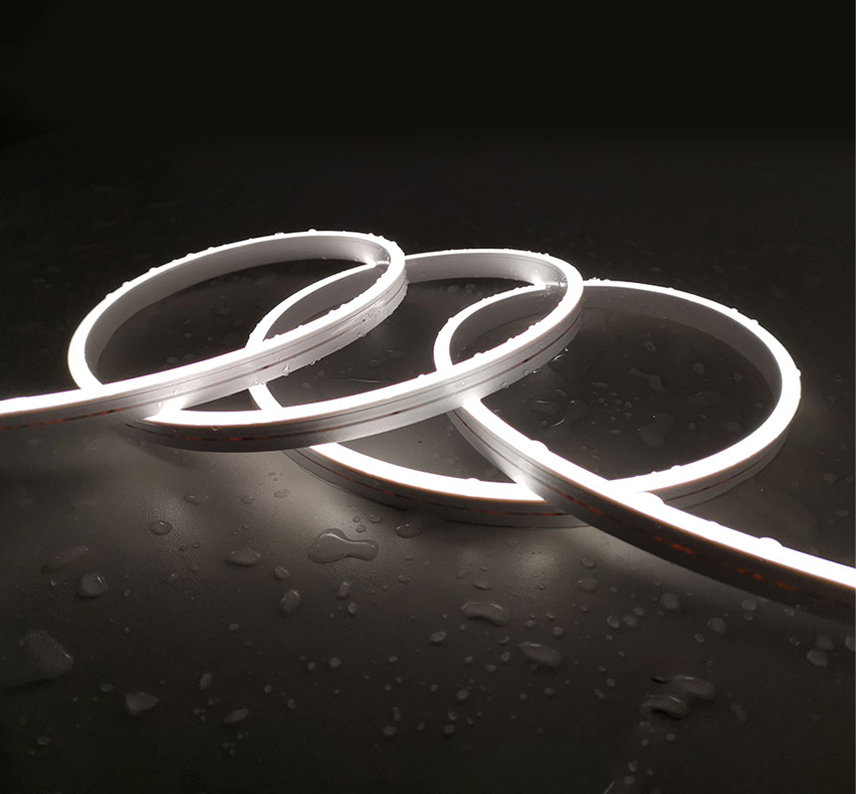
LED Density: ≥ 120 LEDs/m · Voltage: DC 24V · Cutting Unit: 6LEDs/50mm · PCB Width: 8mm · IP Rating: IP67
12V SéRie De Curvatura Lateral Models (1)
DL-T1023F — 60 LEDs/m · 12V
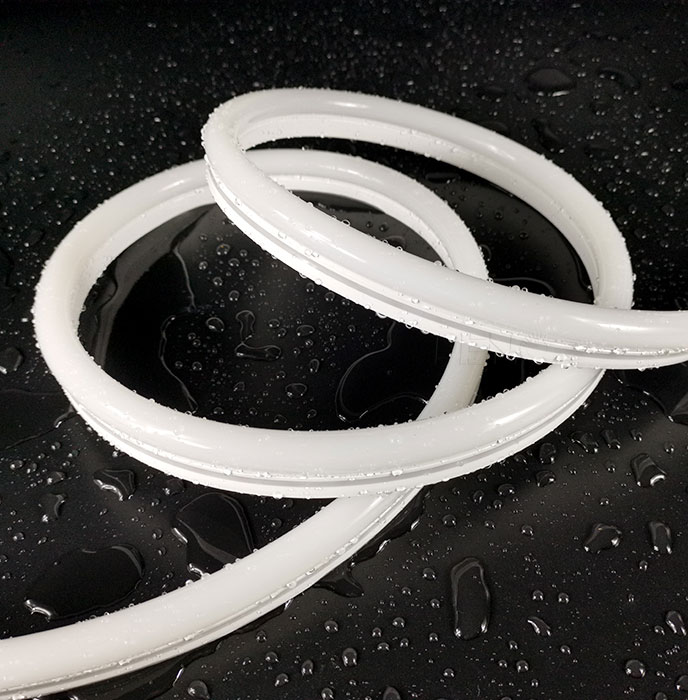
LED Density: ≥ 60 LEDs/m · Voltage: DC 12V · Cutting Unit: 3LEDs/50mm · PCB Width: 10mm · IP Rating: IP67
5V SéRie De Curvatura Lateral Models (1)
DL-T1225F — 96 LEDs/m · 5V

LED Density: ≥ 96 LEDs/m · Voltage: DC 5V · Cutting Unit: 1LED/10mm · PCB Width: 12mm · IP Rating: IP67
Other SéRie De Curvatura Lateral Models (1)
DL-T0815F — 120 LEDs/m
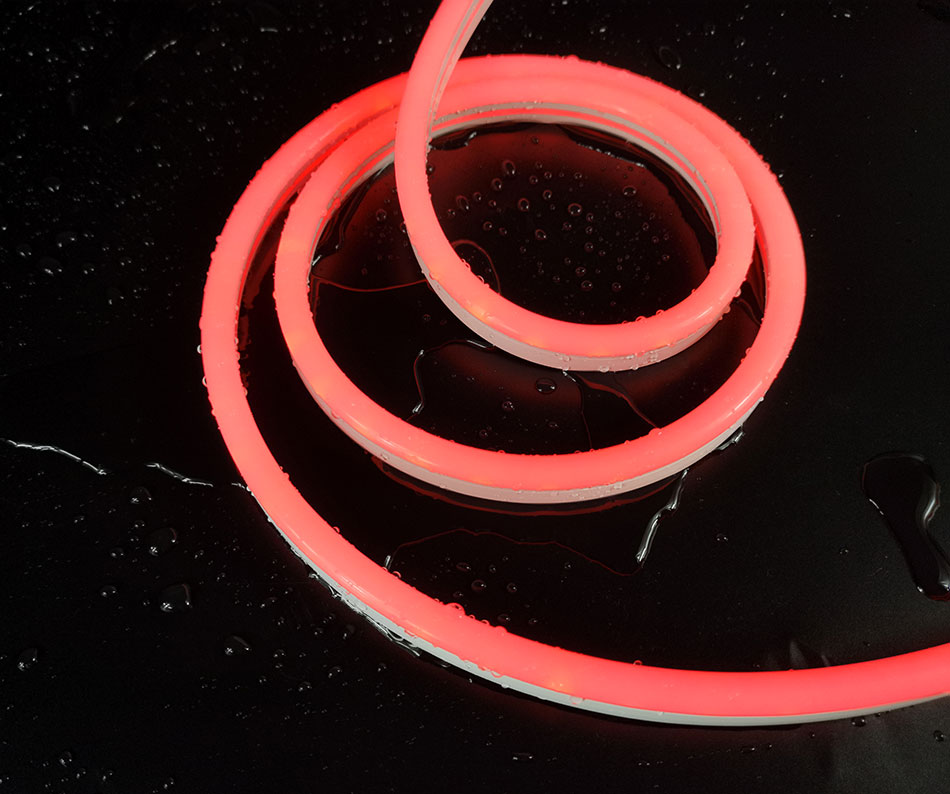
LED Density: ≥ 120 LEDs/m · PCB Width: 5mm · IP Rating: IP67
Other Neon flexível de LED series
How Side bending LED neon flex performs on site
Specification notes for this section low-voltage DC silicone neon: what it does outdoors, what it does around water, and how far it bends when you trace a building.
Outdoor & façade exposure
Specify for permanent exterior installation above the waterline (IP67).
The silicone is injection moulded onto the FPCB in one shot, so there is no glued cover to open up after a winter of thermal cycling — the failure mode PVC neon rope light shows in its second outdoor summer. UV-stabilised silicone keeps its colour instead of yellowing, and the body stays elastic from −30 °C to +80 °C, so a façade run installed in summer will not go brittle in a January frost. Feed with low-voltage DC and plan short runs per feed to hold end-of-run brightness across a long elevation.
- Sealed silicone body
- UV-stable silicone, −30 °C to +80 °C
- Low thermal load
Pools, spas & wet areas
Suitable for pool surrounds, spa ceilings and steam-adjacent joinery — not for submersion.
IP67 covers rain, splash, wash-down and steam — pool decks, shower reveals, sauna ceilings and spa coves — but the body is not intended to sit under water. Mount it above the waterline in an aluminium groove so condensate drains away from the feed joint, run low-voltage DC for wet-zone safety, and choose the IP68 variant where the channel can flood.
- IP67 — splash and rain, not submersion
- low-voltage DC
- Moulded end cap and feed joint
Architectural contour & signage
Bends horizontally, flat on the wall at tight horizontal radii — the right pick for curved building contours, balcony bands, circular ceilings and racetrack coves.
Side bending LED neon flex takes its curve horizontally, flat on the wall, which is what decides whether a shape is possible without cutting and re-soldering. At tight horizontal radii the outside of the curve stays evenly lit: the LED pitch is matched to the diffuser depth so you read a continuous line of light rather than dots, even at 30 cm. Printed cut marks with indexed solder pads underneath let a sign maker shorten a letter stroke on site and re-seal it, and mounting clips, aluminium grooves and moulded bend grooves cover surface, recessed and free-form fixing.
- Compact silicone body
- Bend radius tight horizontal radii
- Dot-free diffusion
Side Bending LED Neon Flex — Buyer Questions
What is a side bending LED neon flex?
A side bend neon strip flexes left and right in the plane of the emitting face, so the run can follow a curve drawn on a wall or ceiling without twisting. The FPCB is built narrow with a serpentine copper layout, which is what allows horizontal bending without cracking the copper or stressing the solder joints.
- Related series LED neon flex bend directions compared
- Related series top bend bodies for vertical curves
- Product 0612S-EE side bend neon flex
Side bend or top bend — which one does my layout need?
Trace the run on the drawing: if the curve stays flat against the mounting surface (a circle on a wall, a wave along a ceiling), you need a side bending neon flex. If the curve climbs over an edge or follows a dome, you need top bend. Mixed geometry is normally split into two lengths joined at a straight section rather than forced onto one body.
- Guide plan feed points across joined lengths
- Related series round bodies that bend both ways
- Product DL-T0410F bend-direction matched neon
What is the minimum bend radius of a side emitting bendable neon strip?
Typical side bend bodies hold R30 mm at 6×12 mm and R80–R120 mm at 12×25 mm; the wider the body in the bend plane, the larger the radius. Staying above the rated radius keeps the outer wall from whitening and prevents the pitch from opening up into visible dark spots on the outside of the curve.
- Guide why copper layout sets the bend radius
- Related series S-bend FPCB strips for tight corners
- Product DL-T0612F tight-radius side bend body
Is side bend neon flex used for building contour lighting?
It is the default choice. Building contour and outline work follows the plane of the façade — cornices, arches, balcony edges — so the run must bend sideways while staying flat against the substrate. Combined with an IP67 injection-moulded body and stainless clips, a side bend LED neon flex holds a clean architectural outline through weather cycling.
- Related series IP67 injection bodies for façade work
- Guide project-scale neon supply for contractors
- Product 1018S-EE façade side bend neon
Can flexible neon for curved walls be pre-shaped at the factory?
Yes. Send the radius set or a DXF outline and DENO supplies pre-formed lengths in a moldable bend groove, cut and terminated per segment. This removes on-site guesswork on scripts and logos, where an installer bending by hand will otherwise produce inconsistent curve tension along the run.
- Guide send a curve drawing for quotation
- Related series special-build and made-to-drawing lighting
How far can one side bend neon run go on a single feed?
At 24V constant voltage, a 10 W/m body holds acceptable uniformity to about 5 m single-end or 10 m fed from both ends. Beyond that, use a constant-current build or 48V so the far end of the outline does not read dimmer than the start — the failure mode that shows up most on long contour runs.
- Related series long LED strip lights for extended runs
- Guide run a voltage-drop check
- Product DL-SV-1018 long-run side bend neon