Folhas de LED Flexíveis para Pedra Retroiluminada | DENO
Uma folha de LED é um painel flexível de retroiluminação, e não uma fita: 480x240mm, com corte em grade, utilizada atrás de pedra, ônix e faces de caixas de luz. A DENO fabrica versões de 12V e 24V que mantêm a uniformidade a partir de aproximadamente 20mm de profundidade da cavidade.
Manta flexível de LED: modelos e especificações principais (11)
24V Manta FlexíVel De LED Models (10)
6105 — 2835 · 50 LEDs/m · 24V
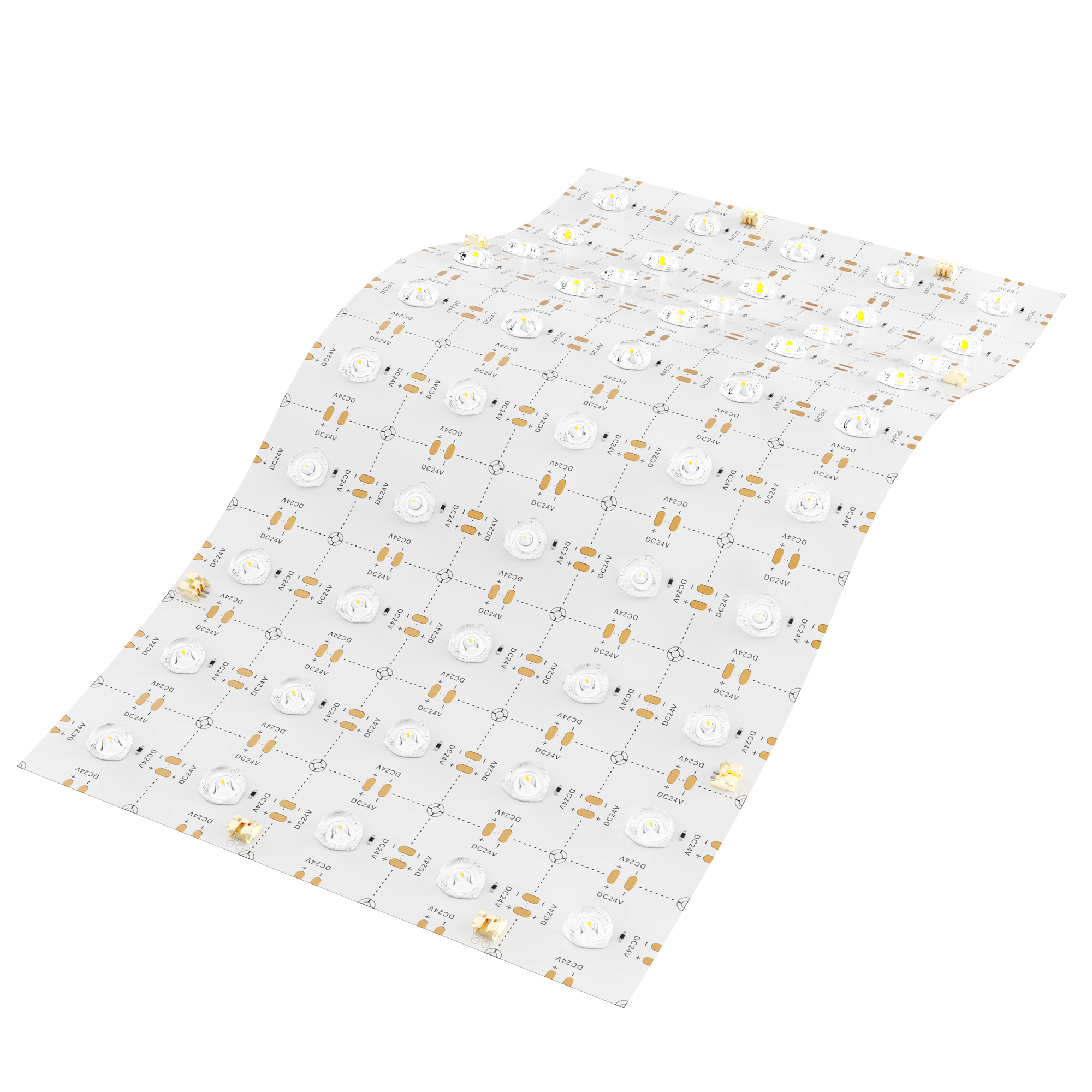
LED Type: 2835 · LED Density: 50 LEDs/pcs · Voltage: DC 24V · Power: 12~60W · Cutting Unit: 1LED/48*48mm · PCB Width: 240x480mm · Copper Foil: 3oz · Circuit Type: CV · IP Rating: IP20
6432 — 5050 · 288 LEDs/m · 24V
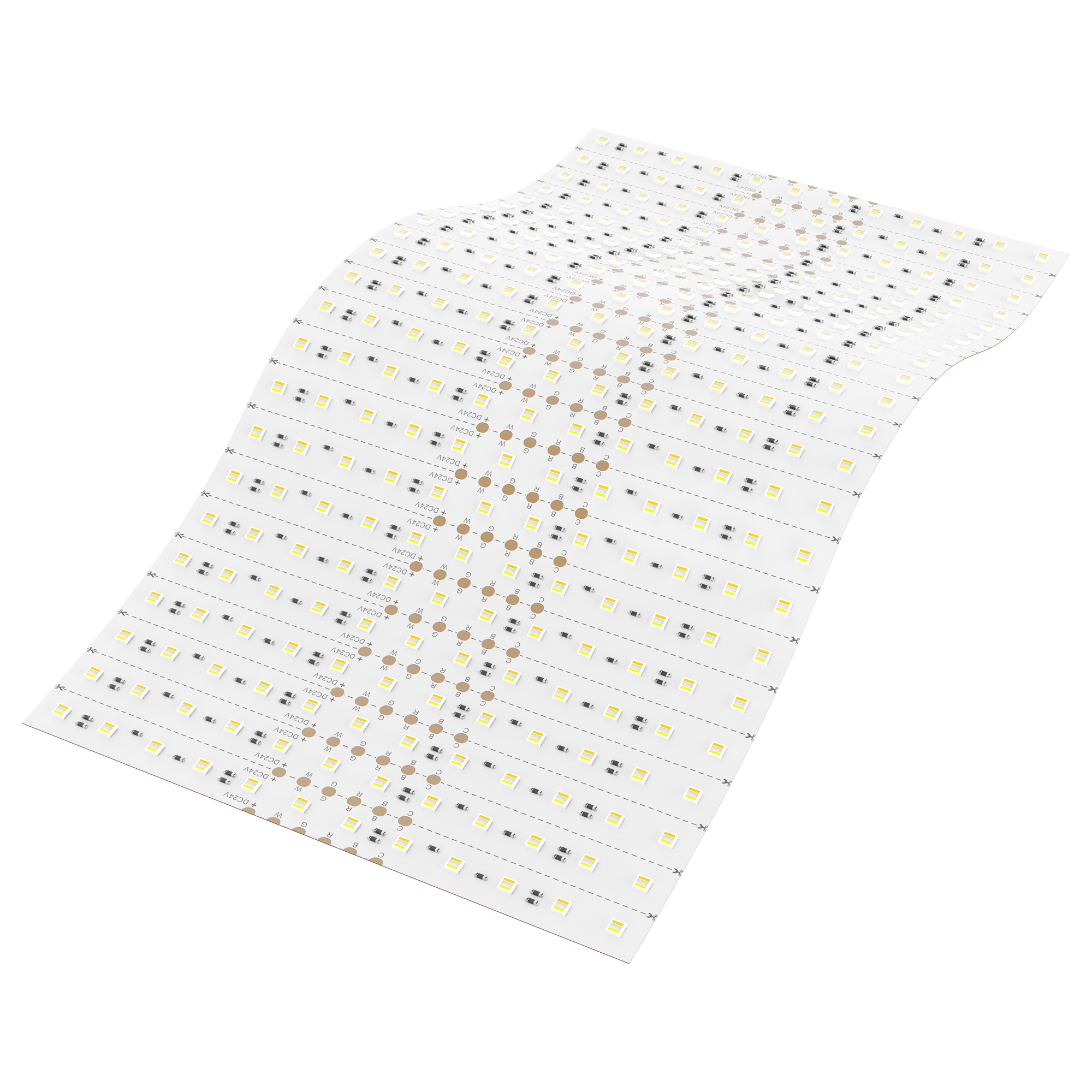
LED Type: 5050 · LED Density: 288 LEDs/pcs · Voltage: DC 24V · Power: 20~110W(1pcs) · Cutting Unit: 12LEDs/20*240mm · PCB Width: 240x480mm · Copper Foil: 2oz · Circuit Type: CV · IP Rating: IP20
10567 — 6060 · 50 LEDs/m · 24V
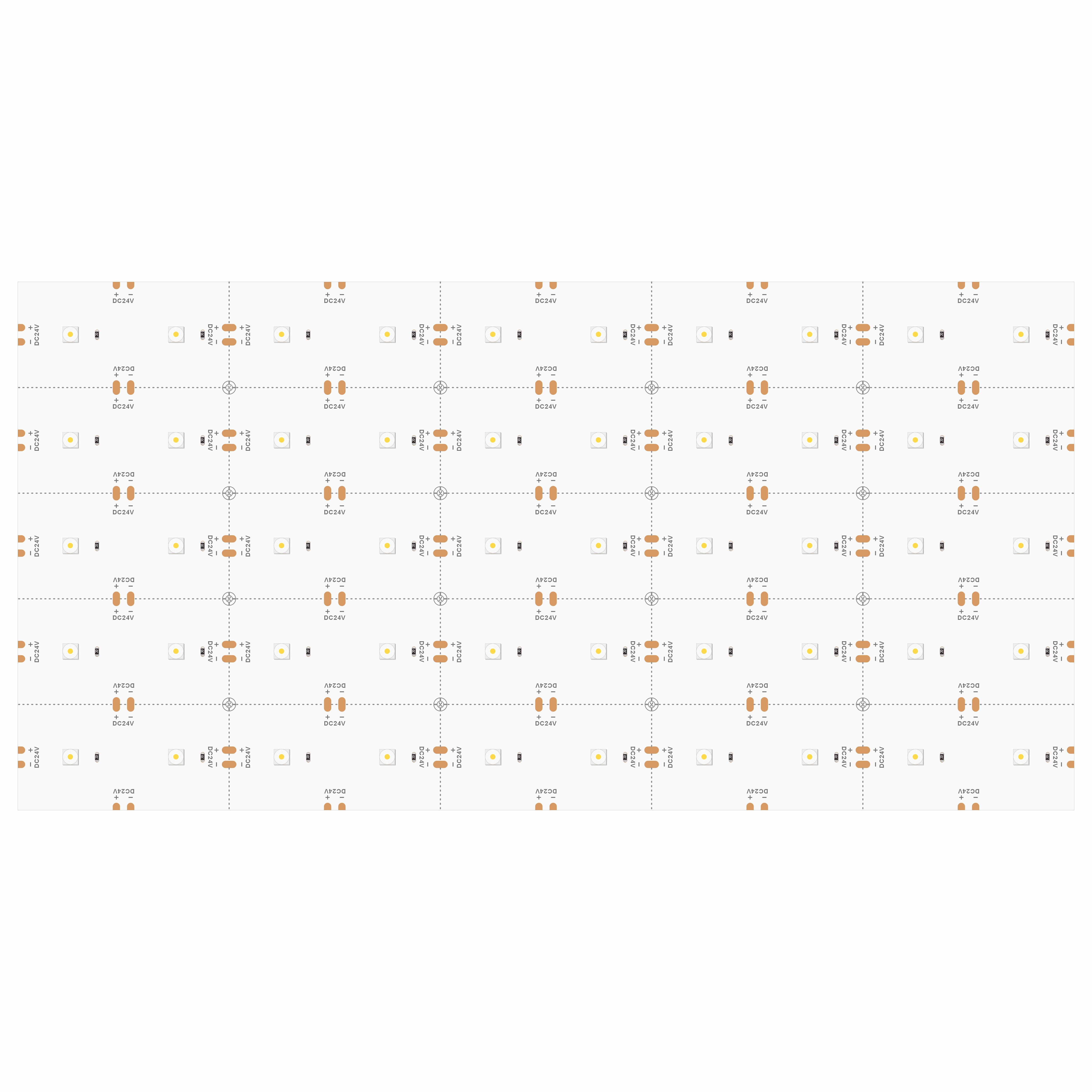
LED Type: 6060 · LED Density: 50LEDs · Voltage: DC 24V · Power: 10~60W · Cutting Unit: 2LEDs/96mm*48mm · PCB Width: 240mm · Copper Foil: 2oz · Circuit Type: CV
17947 — 5050 · 162 LEDs/m · 24V
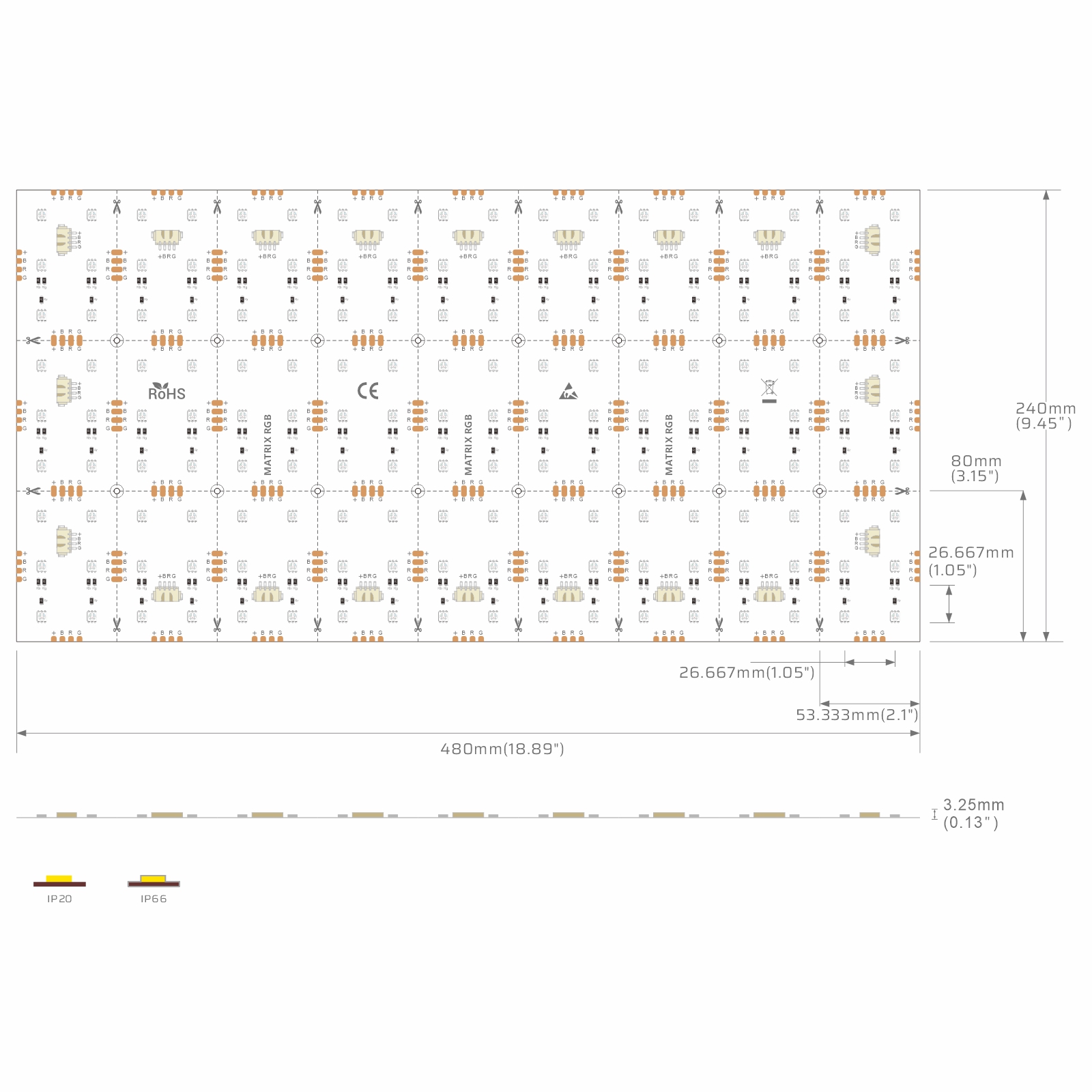
LED Type: 5050 · LED Density: 162LEDs/pcs · Voltage: DC24V · Cutting Unit: 6LEDs/53.333mm · PCB Width: 480*240mm · Copper Foil: 2oz · Circuit Type: CV · IP Rating: IP20/IP65
6600 — 2835 · 576 LEDs/m · 24V
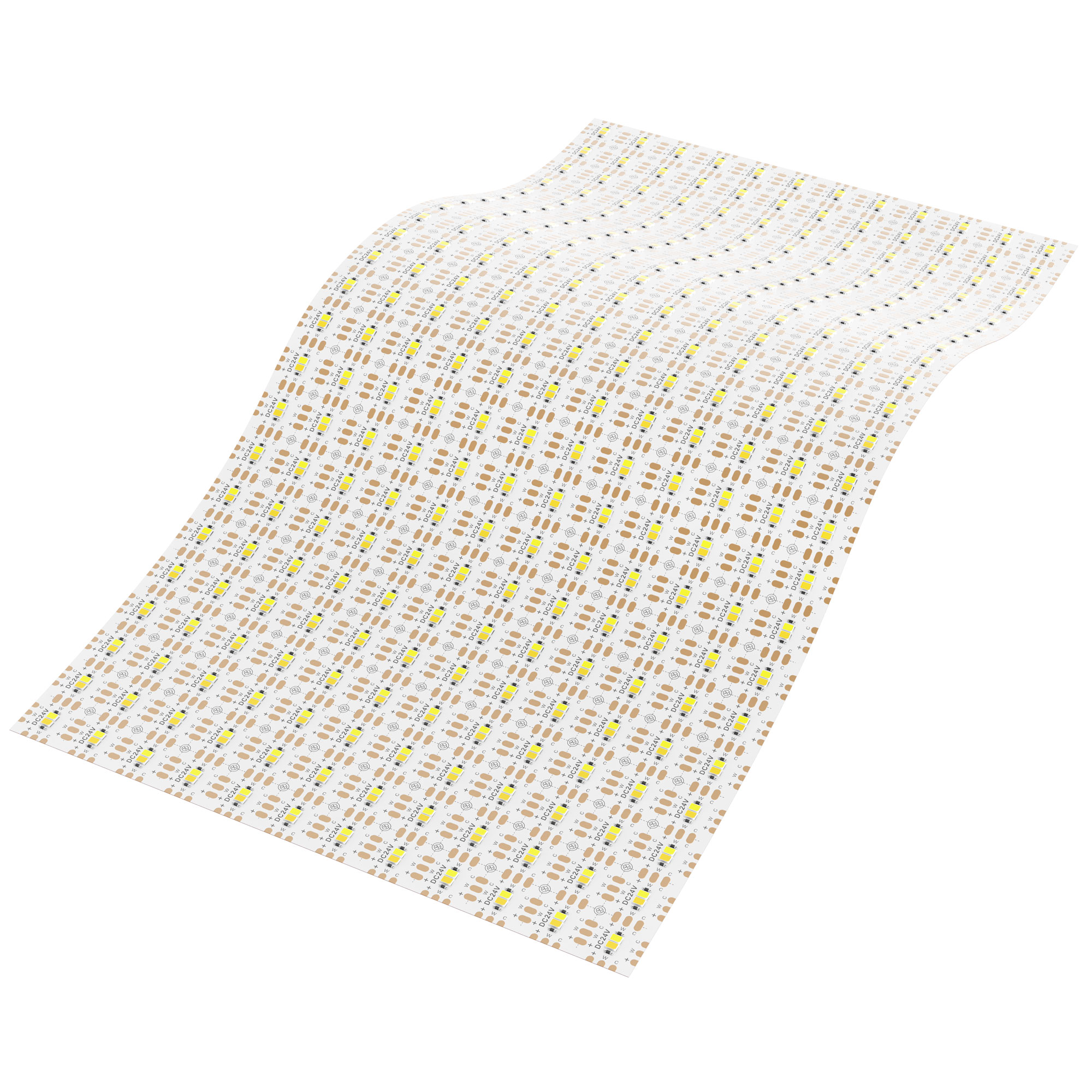
LED Type: 2835 · LED Density: 576 LEDs/pcs · Voltage: 24V · Power: 20~120W · Cutting Unit: 2LEDs/20*20mm · PCB Width: 240x480mm · Copper Foil: 2oz · Circuit Type: CV
6352 — 5050 · 288 LEDs/m · 24V
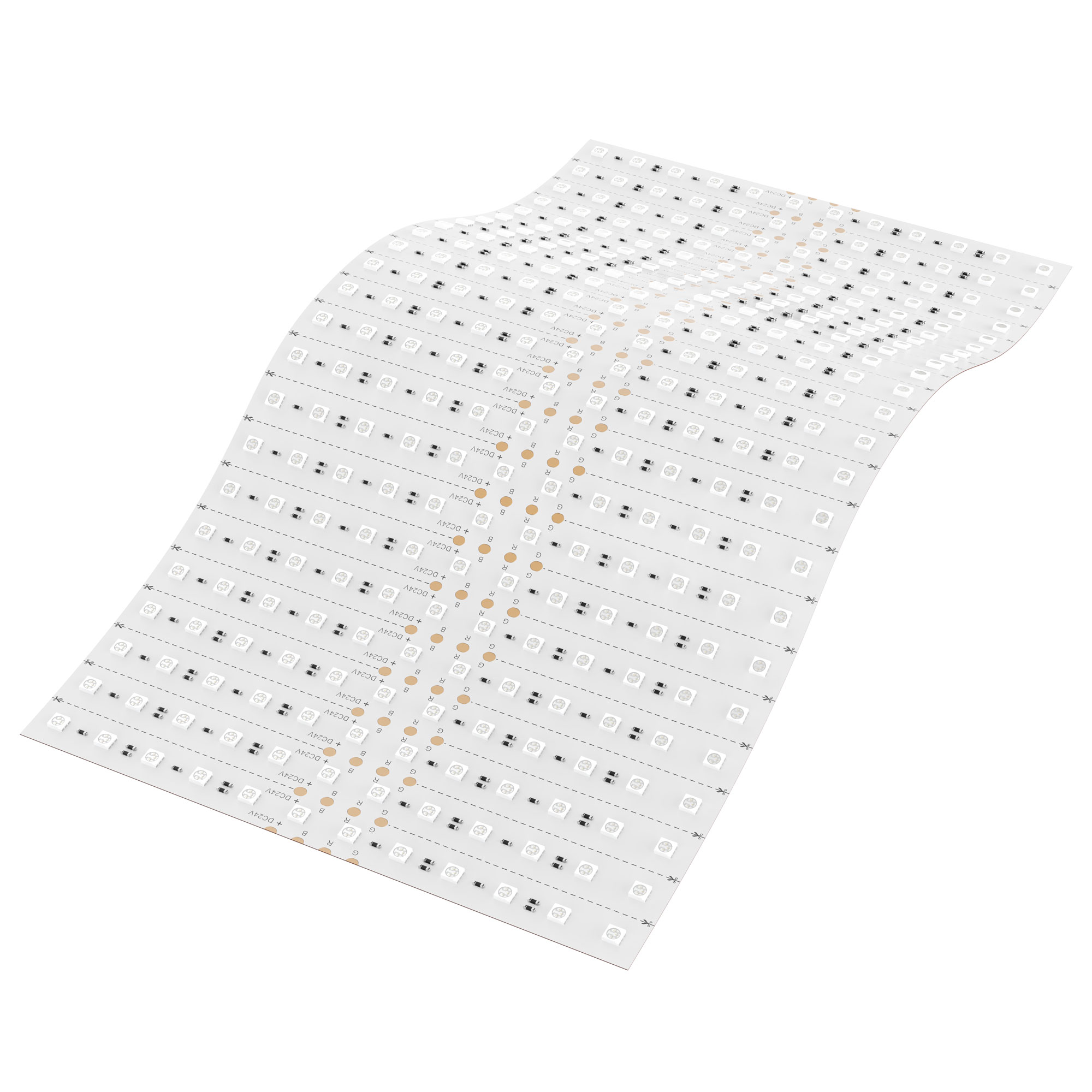
LED Type: 5050 · LED Density: 288 LEDs/pcs · Voltage: DC 24V · Power: 17.2~70W · Cutting Unit: 12LEDs/20*240mm · PCB Width: 240x480mm · Copper Foil: 2oz · Circuit Type: CV · IP Rating: IP20
6433 — 2835 · 288 LEDs/m · 24V
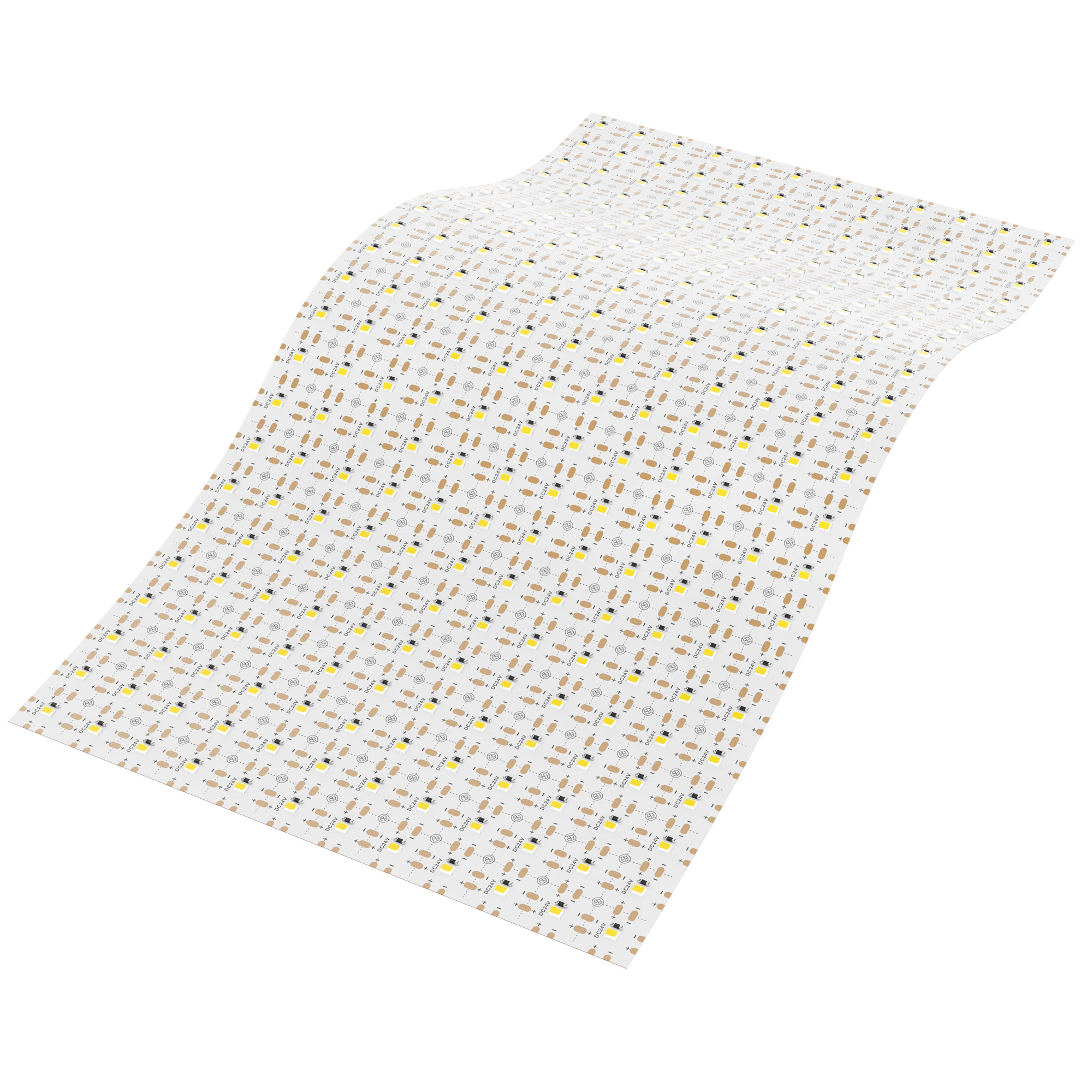
LED Type: 2835 · LED Density: 288 LEDs/pcs · Voltage: DC 24V · Power: 20~138W · Cutting Unit: 1LED/20*20mm · PCB Width: 240x480mm · Copper Foil: 2oz · Circuit Type: C.V. · IP Rating: IP20/IP65
16795 — 5050 · 98 LEDs/m · 24V
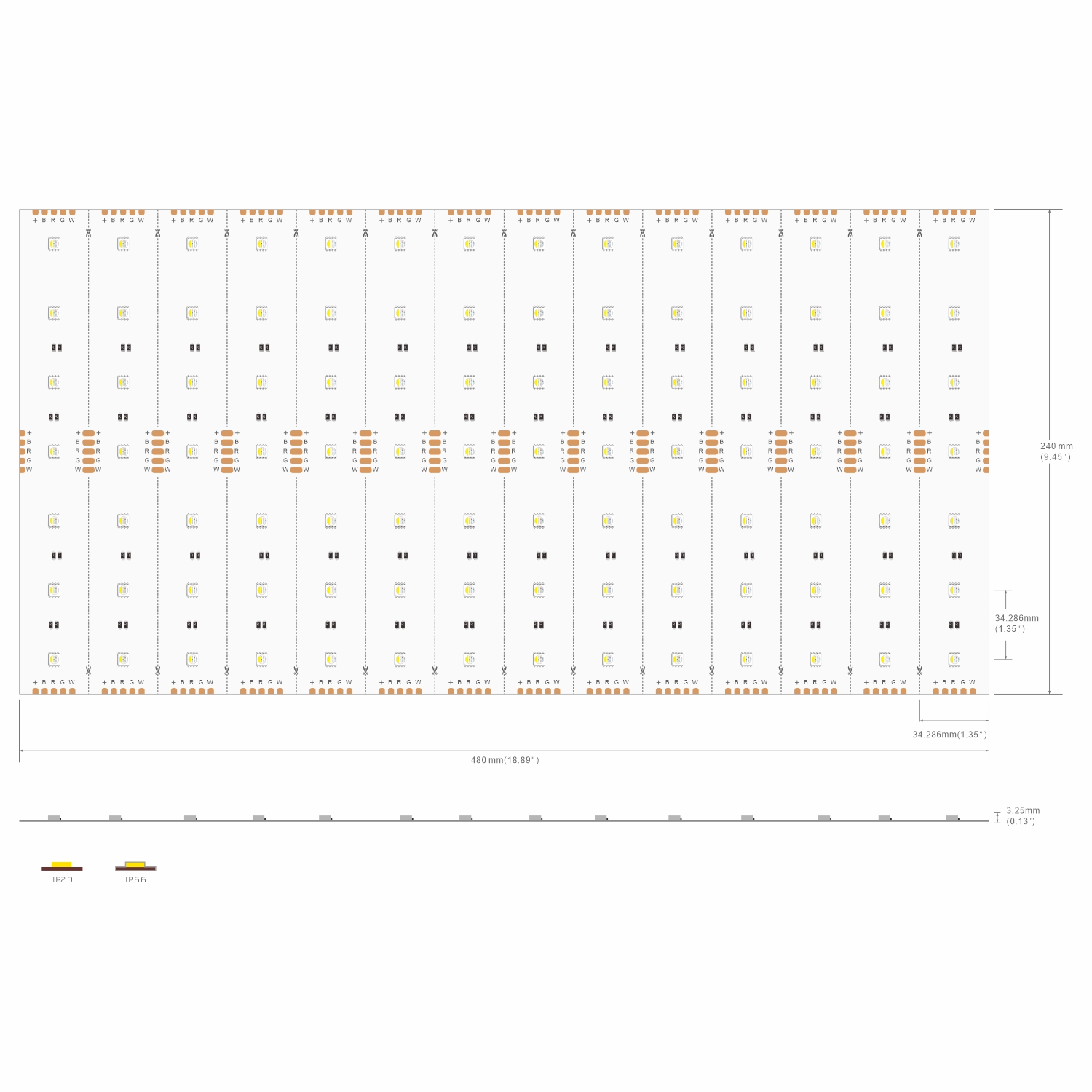
LED Type: 5050 · LED Density: 98 LEDs/pcs · Voltage: DC 24V · Power: 12~26.8W · Cutting Unit: 7LEDs/34.286*240mm · PCB Width: 240x480mm · Copper Foil: 2oz · Circuit Type: CV · IP Rating: IP20
16797 — 5050 · 288 LEDs/m · 24V
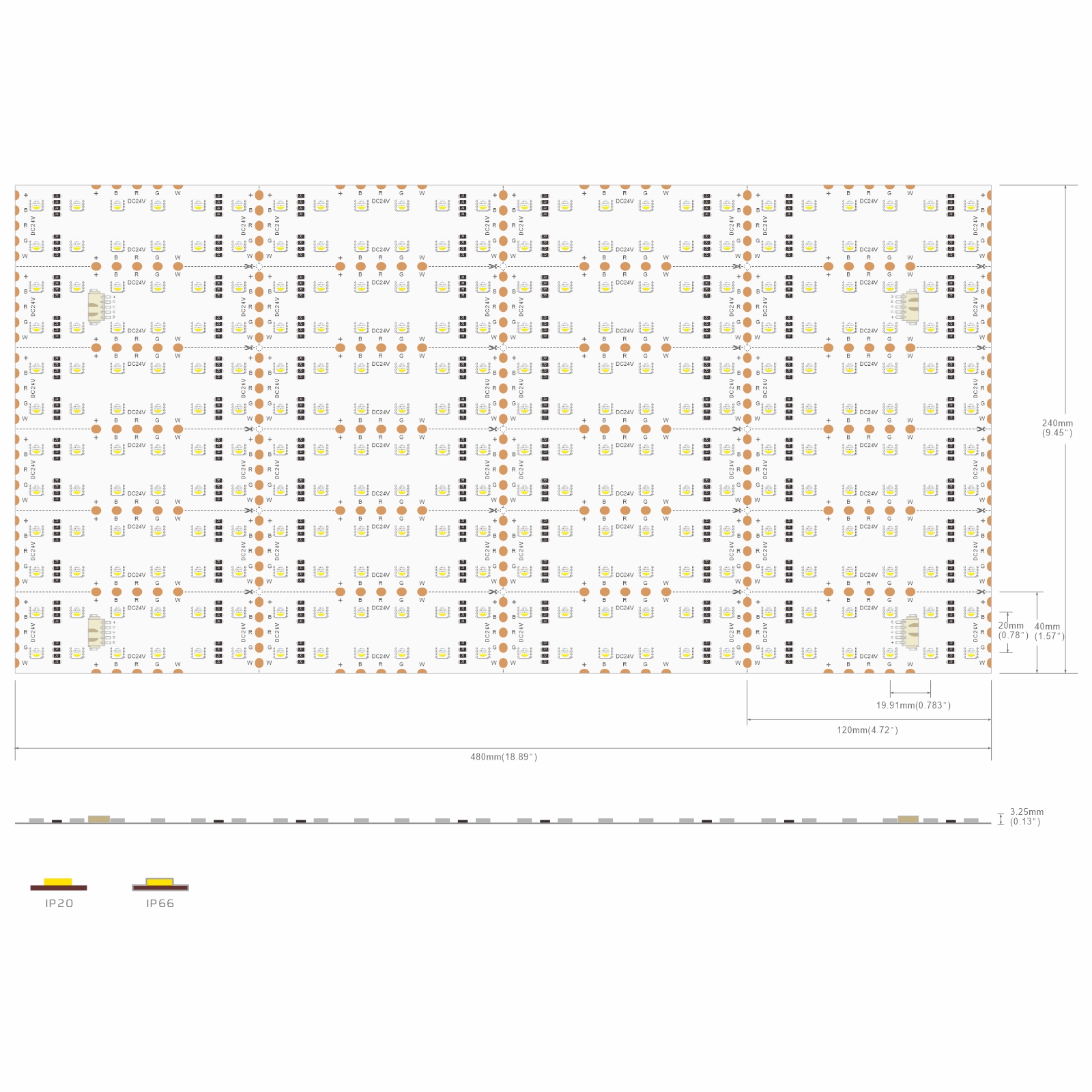
LED Type: 5050 · LED Density: 288LEDs/pcs · Voltage: DC24V · Cutting Unit: 12LEDs/120mm · PCB Width: 480*240mm · Copper Foil: 2oz · Circuit Type: CV · IP Rating: IP20/IP67
16796 — 5050 · 162 LEDs/m · 24V
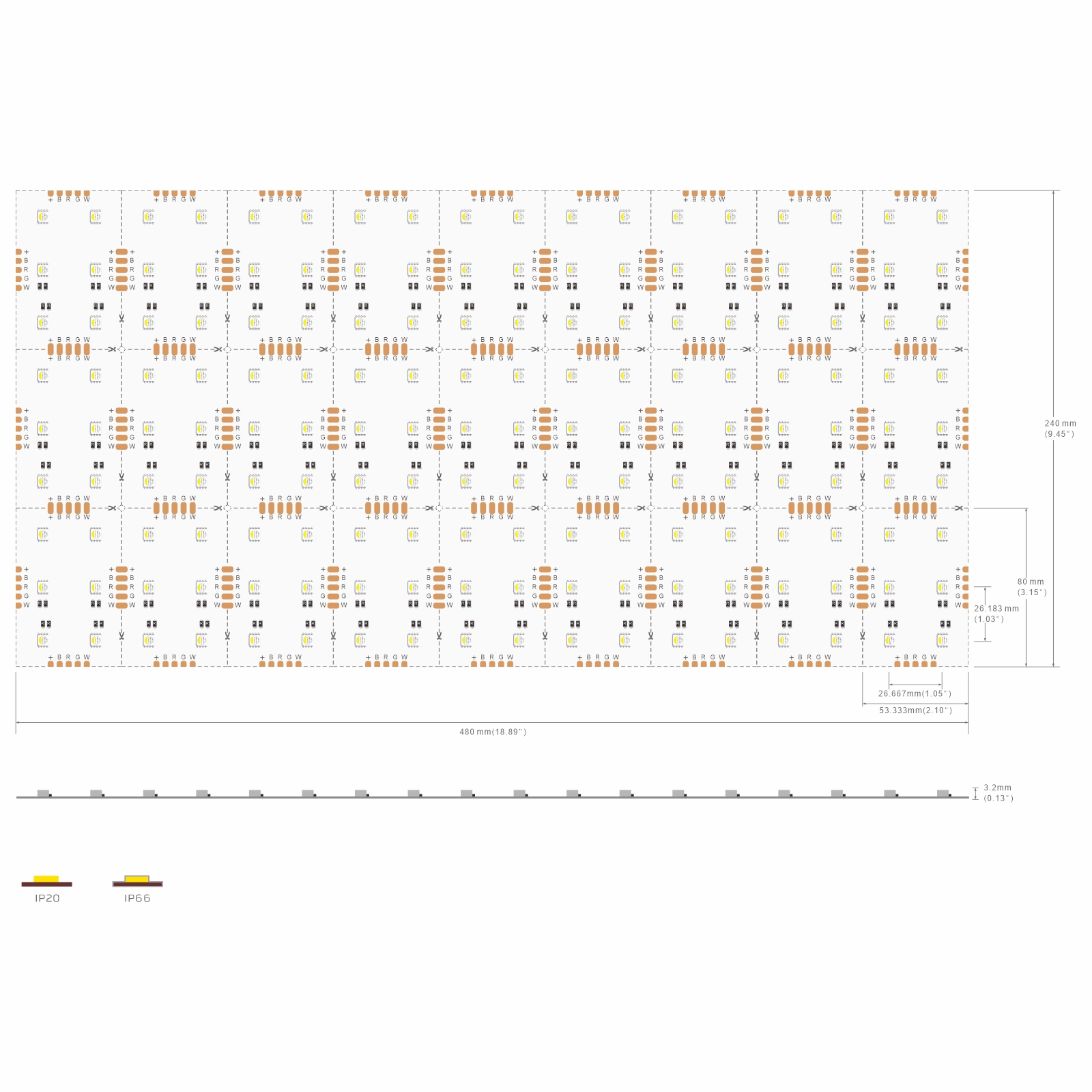
LED Type: 5050 · LED Density: 162 LEDs/pcs · Voltage: DC 24V · Power: 13~50W · Cutting Unit: 6LEDs/53.333*80mm · PCB Width: 240x480mm · Copper Foil: 2oz · Circuit Type: CV · IP Rating: IP20
12V Manta FlexíVel De LED Models (1)
6710 — 6060 · 50 LEDs/m · 12V
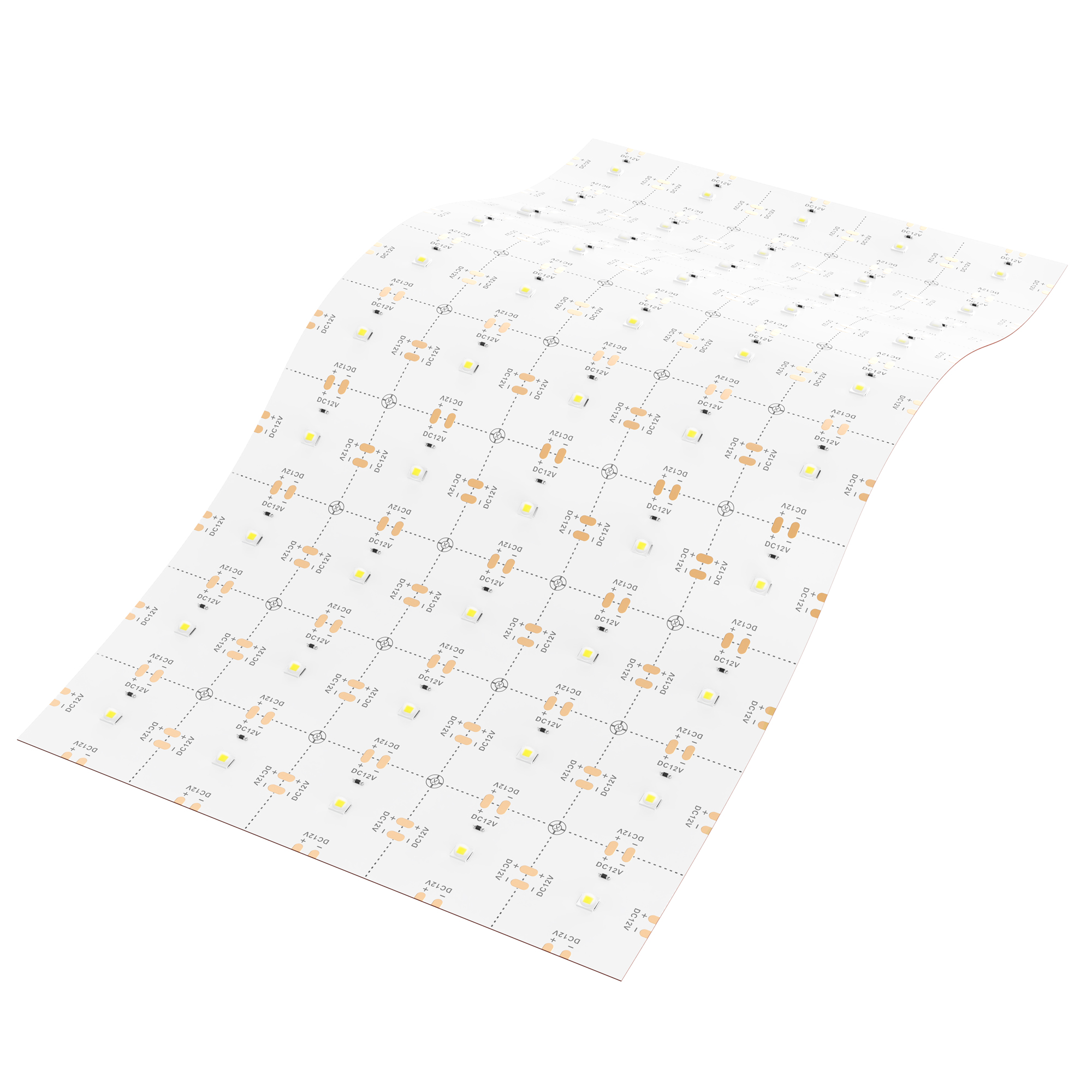
LED Type: 6060 · LED Density: 50 LEDs/pcs · CCT: 2700-6500 · CRI: Ra≥80 · Voltage: DC 12V · Power: 10~60W · Cutting Unit: 1LED/48*48mm · PCB Width: 240x480mm · Copper Foil: 2oz · Circuit Type: CV · IP Rating: IP20
Outras séries de Manta flexível de LED
How to choose an LED sheet: a buyer's decision guide
An LED sheet is specified backwards from the surface it has to light. Decide the application first, then the colour family, then the LED pitch that matches the diffuser depth you actually have, and only then the power feed and cutting grid. This guide walks that sequence for backlit stone, lightboxes, signage and colour walls, using the DENO FlexLite sheet range as the reference set.
| Application | Sheet family | Reference models | Diffuser depth | Why |
|---|---|---|---|---|
| Backlit onyx, marble or translucent quartz | Tunable white | #6600 (2700–6500 K, 234.8 lm/W) | Slab thickness only | Colour temperature is dialled in on site after the slab is installed, and the high efficacy keeps heat out of the stone. |
| Irregular shapes, logos, curved niches | Single colour | #6433 (cut every LED, 20 × 20 mm) | 15–25 mm | The finest cutting grid in the range fills almost any outline, and the offcut modules can be reconnected elsewhere. |
| Slim lightboxes and SEG fabric frames | Wide angle lens | #6105 (24 V), #6710 (12 V) | 40–60 mm | A 160–170° lens spreads 50 LEDs across the full sheet, so a shallow box stays even at a fraction of the load. |
| Backlit signage that is mostly white | RGBW / RGBWW | #16797 (288 LED), #6432 (5-in-1) | 20–40 mm | A dedicated white die renders clean white at lower power while the colour channels stay free for seasonal scenes. |
| Colour walls, stages, exhibition backdrops | RGB | #6352 (288 LED), #17947 (162 LED) | 15–25 mm / 30 mm+ | Sheets tile edge to edge; pick the density from the depth you have rather than from the brightness target. |
Step 1 — start with the surface, not the product
An LED sheet is a component, not a finished luminaire. It is a thin flexible board carrying a grid of LEDs across 480 × 240 mm, built to light a surface evenly from behind. That is why fabricators specify sheets for backlit countertops, lightboxes and signage instead of rigid panel fixtures.
Backlit stone and solid surface
Translucent stone is judged on colour, not on lumens. Use 2700–3000 K for onyx, travertine and amber-veined slabs so the minerals glow, and 4000–6500 K for white marble, quartz and solid surface so the slab does not read yellow. A tunable white sheet removes the guesswork because the setting is made with the slab already in place.
Lightboxes, SEG frames and posters
Here the constraint is depth. Each sheet lights 480 × 240 mm, so roughly nine sheets tile a square metre, and the last row is squared to the frame on the printed cutting grid. Choose 4000–6500 K to keep printed colour neutral; warmer settings shift the whole graphic.
Signage and colour surfaces
If the sign holds white most of the day, an RGBW sheet is cheaper to run and cleaner in colour than mixing white from three channels. If the surface exists to change colour — stage backdrops, exhibition walls, architectural features — an RGB sheet is the correct and lower-cost tool.
Step 2 — match LED pitch to the diffuser depth you have
Most patchy backlit surfaces are not underpowered; they are under-spaced. Dot visibility is decided by the ratio between LED pitch and the air gap in front of the board, so the density decision follows the cabinet, not the brightness target.
20 mm pitch for shallow builds
A 20 mm grid — the 288-LED RGB #6352, the 288-LED RGBW #16797 and the single-colour #6433 — blends within about 15–25 mm of opal acrylic. Halve that gap and the individual dies begin to read as dots.
Coarser pitch when depth is available
The 162-LED #17947 and 98-LED #16795 sit on wider grids, cost less and draw less current. Specify them when there is 30 mm or more behind the diffuser; below that they will show structure.
Lensed sheets for shallow, large-format boxes
A wide-angle lens spreads each emitter across 160–170°, so neighbouring beams overlap close to the board. Fifty lensed LEDs cover a full sheet and keep a slim poster box or fabric frame even from roughly 40–60 mm of depth at a much lower load than a bare-emitter grid.
Step 3 — pick the colour family deliberately
Single colour, tunable white, RGB, RGBW and 5-in-1 RGBWW all tile the same way, but they behave very differently at short diffuser distances and on the electricity bill.
Single colour and tunable white
Available in CRI 80, 90 and 95 plus a full spectrum grade, from 1800 K to 6500 K. Specify CRI 95 or full spectrum wherever stone, product or skin colour is judged at close range. The #6600 reaches 234.8 lm/W, delivering the same light as a market-standard 100 lm/W sheet for roughly 57 % less power — and correspondingly less heat behind the slab.
RGB versus RGBW
An RGB mix always carries a colour cast when asked for white and burns all three channels to produce it. RGBW adds one white die for clean, colour-correct white at lower power. The 5-in-1 #6432 goes further: red, green, blue, warm white and cool white in a single chip, so the white channel tunes from about 2700 K to 6500 K with no colour fringing at short diffuser distances.
Control gear
Any 24 V constant-voltage controller drives these sheets — PWM, RF, Wi-Fi, DMX512 decoders and SPI gateways for show control. What matters is per-channel current: match the controller to the connected load, up to 70 W per RGB sheet.
Step 4 — confirm the cutting grid and the power feed
The last two checks are the ones that cause site problems: whether the sheet can actually reach the shape you need, and how many sheets can hang off one feed before the far end visibly dims.
Cutting grids differ by family
The single-colour #6433 cuts every LED on a 20 × 20 mm square, so an irregular countertop or logo can be filled with almost no waste. The RGBW #16796 cuts on both axes of a 53.3 × 80 mm grid, which is enough to shape around bar backs and display niches. Other RGB and RGBW sheets cut on a single axis between 20 mm and 120 mm because each colour channel must stay complete. Always cut on the marked line so the reconnection pads survive.
Feeds, runs and driver sizing
Plan four sheets from a single-end feed and eight with dual-end input at 24 V; beyond that, start a new run from the driver. Size the supply at the sheet's maximum wattage — up to 138 W for the #6433 and 110 W for the 5-in-1 #6432 — plus 30 % headroom.
12 V or 24 V
12 V suits vehicle interiors, display cases and sites with an existing 12 V supply. 24 V is the default for large cabinets: half the current means less voltage drop, more sheets per feed and thinner conductors across a wide frame.
Manta de LED e manta luminosa de LED — Perguntas de compradores
O que é uma placa de LED e como ela difere de uma luminária de painel LED?
Uma placa de LED é uma placa de circuito fina e flexível com uma matriz de LEDs distribuída em uma área de 480×240 mm, projetada para retroiluminar uma superfície uniformemente. Uma luminária de painel LED para teto é uma luminária rígida acabada; uma placa de LED é um componente que pode ser cortado, disposto lado a lado e ocultado atrás de pedra, acrílico ou tecido. Por isso, os fabricantes especificam placas para bancadas retroiluminadas, caixas de luz e comunicação visual, em vez de luminárias de painel.
Uma placa de LED pode ser cortada sob medida?
Sim — todas as placas de LED DENO têm uma grade de corte impressa. A mais fina é a monocromática #6433, que permite corte a cada LED em um quadrado de 20×20 mm, possibilitando preencher uma bancada irregular ou o formato de um logotipo praticamente sem desperdício. As placas RGB e RGBW são cortadas em unidades maiores (20 mm a 120 mm), pois cada canal de cor deve permanecer completo. Corte sempre na linha marcada para preservar os pontos de solda para reconexão.
- Related series placa de LED monocromática com corte a cada LED
- Product 6433 placa de LED recortável
Qual placa de LED é mais indicada para retroiluminar uma bancada de pedra?
Use a #6600 de branco ajustável para ônix, mármore e quartzo translúcido. Sua faixa de 2700–6500 K permite aquecer a luz para ônix âmbar ou resfriá-la para mármore branco após a instalação da chapa e, com eficácia máxima de 234.8 lm/W, requer aproximadamente 57 % menos potência que uma placa padrão de mercado de 100 lm/W — o que também significa menos calor retido atrás da pedra. Para aplicações de cor fixa, a #6433 oferece a mesma grade de 20 mm com flexibilidade de corte livre.
Qual profundidade uma caixa de luz precisa ter para uma placa de LED?
Depende do espaçamento entre LEDs e da lente. Uma placa com emissores sem lente em uma grade de 20 mm proporciona mistura uniforme da luz com cerca de 15–25 mm de distância até o difusor. Uma placa com lentes de ângulo amplo, como a #6710 ou a #6105, distribui a luz de cada LED em 160–170°, de modo que uma estrutura com tecido SEG ou uma caixa de luz fina para pôster mantém a uniformidade a partir de aproximadamente 40–60 mm de profundidade, usando apenas 50 LEDs por placa.
- Related series placa de LED com lentes de ângulo amplo para caixas de luz
- Product 6710 placa de LED de ângulo amplo
Quantas placas de LED podem ser conectadas a um único ponto de alimentação?
Quatro placas com alimentação por uma extremidade e oito com alimentação pelas duas extremidades em 24 V. Acima disso, a última placa perde brilho de forma perceptível; portanto, inicie um novo trecho a partir do driver. Dimensione a fonte pela potência máxima da placa — até 138 W para a #6433 e 110 W para a #6432 5-em-1 — mais 30 % de margem.
As placas de LED estão disponíveis em RGB e RGBW?
Sim. As placas RGB (#6352, #17947) permitem cenas com cores saturadas; as placas RGBW (#16795, #16796, #16797) adicionam um emissor branco dedicado para que um letreiro possa manter um branco puro durante o dia e cores à noite; e a #6432 5-em-1 reúne RGB mais branco quente e frio em um único chip para branco ajustável sem franjas de cor.
- Related series placa de LED RGBW com branco dedicado
- Related series placa de LED RGB para cenas coloridas
- Product 6432 placa de LED RGB